Buy centurionpayroll.eu ?
We are moving the project
centurionpayroll.eu .
Are you interested in purchasing the domain
centurionpayroll.eu ?
domain@kv-gmbh.de · 0541-91531010
Buy centurionpayroll.eu ?
How many grams of propane correspond to 0.2 moles of propane?
To find the number of grams of propane corresponding to 0.2 moles, we can use the molar mass of propane. The molar mass of propane is 44.1 grams per mole. Therefore, 0.2 moles of propane would correspond to 0.2 moles * 44.1 grams/mole = 8.82 grams of propane. **
What is propane gas?
Propane gas is a hydrocarbon gas that is commonly used as a fuel source for heating, cooking, and powering appliances. It is a byproduct of natural gas processing and petroleum refining. Propane is stored in liquid form under pressure, but when released, it vaporizes into a gas that can be easily ignited for various applications. It is a clean-burning fuel that is efficient and versatile, making it popular for both residential and commercial use. **


Similar search terms for Propane
Top-Angebote
Products related to Propane:
-
Clesse BP24F 30mbar Propane Low Pressure Regulator - 150kg/hrClesse BP24F 37mbar Propane Low Pressure Regulator – 150kg/h The Clesse BP24F 30mbar Propane Low Pressure Regulator is designed for high capacity LPG systems, delivering a massive 150kg/h flow rate with stability and precision. For medium to large commercial, industrial, agricultural and domestic metered networks, the BP24F ensures pressure control and performance across demanding applications. Built to EN16129 and fully compliant with the Pressure Equipment Directive (PED 2014/68/CE, this second stage regulator has robust construction, durability and smooth operation even with fluctuating inlet pressures or tough conditions. With a spring loaded, direct operated mechanism, reinforced diaphragm and281,94 £*Shipping: 0,00 £Secure redirect to the provider
-
Cavagna Propane Gas Regulator 37mbar Second Stage 4kg/hrCavagna 37mbar Propane Gas Regulator – Second Stage 4kg/hr, 1/4 x 3/8 BSP Female The Cavagna 37mbar Second Stage Propane Gas Regulator – 4kg/hr reduces the pressure to the safe and useable level required by gas appliances. Working with a first stage regulator, this second stage unit gives consistent low pressure gas flow, perfect for domestic and commercial use. Made by Cavagna, a global leader in gas control technology, this regulator combines tough construction, reliable performance and long life. Its compact and easy to install design fits seamlessly into propane gas systems and is CE and EN16129 approved for safety and quality. Features Second Stage Pressure Reduction – 37mbar out15,00 £*Shipping: 5,00 £Secure redirect to the provider
-
Sealey LP41 Space Warmer® Propane Heater 40,500Btu/hr (11.5kW)Description Ideal for workshop or garage environments, the Sealey LP41 Space Warmer® Propane Heater delivers an impressive output of 40,500Btu/hr (11.5kW). It is designed for those needing efficient heating solutions with a fuel consumption of 0.91kg/hr, ensuring a warm and comfortable space. This unit is equipped with a safety solenoid valve to prevent gas leaks and comes with an approved gas regulator and hose for reliable operation. Additionally, it operates quietly without a compressor, providing a comfortable atmosphere without the hassle of noise. An essential addition for users seeking effective and safe heating solutions in larger areas.113,99 £*Shipping: 0,00 £Secure redirect to the provider
-
Cavagna 30kg/hr 1st Stage High Pressure Propane Regulator – POLThe Cavagna 30kg/hr First Stage High Pressure Propane Gas Regulator is engineered for those who demand precision, safety, and reliability in their gas systems. This high-performance regulator is designed to deliver a consistent gas flow at high pressures, making it an ideal choice for a wide range of applications, from residential setups to commercial and industrial environments. First stage gas regulators serve as a primary means for pressure regulation in a two stage system, usually used on LPG bulk tanks.22,32 £*Shipping: 5,00 £Secure redirect to the provider


-
Instead of butane, propane?
Propane is a cleaner-burning fuel compared to butane, making it a more environmentally friendly option. It also tends to perform better in colder temperatures, making it a more reliable choice for outdoor activities in various weather conditions. Additionally, propane is widely available and can be used in a variety of appliances, making it a versatile fuel option for camping, cooking, and heating. **
-
Is propane gas deadly?
Propane gas is not inherently deadly, but it can be dangerous if not handled properly. Propane is a flammable gas that can ignite easily, leading to fires or explosions if not used correctly. Inhaling high concentrations of propane can also cause asphyxiation. It is important to follow safety guidelines when using propane to prevent accidents and ensure safe handling. **
-
How many grams of propane are equivalent to 0.2 moles of propane?
To determine the grams of propane equivalent to 0.2 moles, we need to use the molar mass of propane, which is approximately 44.1 g/mol. By multiplying the number of moles (0.2) by the molar mass (44.1 g/mol), we can calculate that 0.2 moles of propane is equivalent to 8.82 grams of propane. **
-
Have I inhaled propane gas?
I cannot determine whether you have inhaled propane gas as I do not have access to your personal experiences or medical history. If you suspect that you have inhaled propane gas, it is important to seek medical attention immediately. Inhaling propane gas can be harmful and may cause symptoms such as dizziness, nausea, difficulty breathing, and even loss of consciousness. It is important to take any concerns about inhaling propane gas seriously and seek medical help as soon as possible. **
How are payroll taxes recorded?
Payroll taxes are recorded as a liability on the company's balance sheet until they are paid. When payroll taxes are withheld from employees' paychecks, they are recorded as a current liability until they are remitted to the appropriate tax authorities. The employer's portion of payroll taxes, such as Social Security and Medicare taxes, are also recorded as a current liability until they are paid. Once the payroll taxes are paid, the liability is reduced and the corresponding expense is recognized on the income statement. **
Who takes back propane gas bottles?
Propane gas bottles are typically taken back by the company or retailer from whom they were purchased. Many propane gas suppliers have programs in place for customers to return empty bottles in exchange for a refill or credit towards a new bottle. It is important to check with the specific company or retailer for their policies on returning propane gas bottles. **
Top-Angebote
Products related to Propane:
-
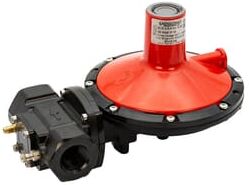
Clesse APS2000 High Pressure Propane Regulator – 150kg/hrThe Clesse APS2000 150 kg/hr Propane High Pressure Regulator is mainly used on Commercial, Industrial and Agricultural LPG Installations using Bulk Tanks. It provides the first stage regulation function without OPSO between 1 and 3bar and is fitted directly onto the Tanks or inline using Tank Manifold kits. Design and performance to BS EN 13785.185,40 £*Shipping: 0,00 £Secure redirect to the provider
-
Clesse BP2303R Adjustable Propane Regulator 10–200mbar 30kg/hrThe Clesse BP2303R 30 kg/hr 10-200mbar Propane Low Pressure Regulator, a versatile and dependable solution designed to meet the diverse needs of propane gas regulation. Whether you're managing a small domestic system or overseeing larger commercial, industrial, or agricultural applications, this regulator ensures optimal performance with its precise low-pressure second-stage regulation capabilities. Wide Pressure Range: With an adjustable range of 10-200mbar, it offers flexibility for various low-pressure requirements, ensuring your system runs smoothly. High Flow Capacity: Capable of delivering up to 30 kg/hr, this regulator is designed to accommodate the demands of both small and large-scale operations efficiently. Versatile Applications: Perfectly suited for a range of settings, from domestic to l116,81 £*Shipping: 0,00 £Secure redirect to the provider
-
Clesse BP24F 30mbar Propane Low Pressure Regulator - 150kg/hrClesse BP24F 37mbar Propane Low Pressure Regulator – 150kg/h The Clesse BP24F 30mbar Propane Low Pressure Regulator is designed for high capacity LPG systems, delivering a massive 150kg/h flow rate with stability and precision. For medium to large commercial, industrial, agricultural and domestic metered networks, the BP24F ensures pressure control and performance across demanding applications. Built to EN16129 and fully compliant with the Pressure Equipment Directive (PED 2014/68/CE, this second stage regulator has robust construction, durability and smooth operation even with fluctuating inlet pressures or tough conditions. With a spring loaded, direct operated mechanism, reinforced diaphragm and281,94 £*Shipping: 0,00 £Secure redirect to the provider
-
Cavagna Propane Gas Regulator 37mbar Second Stage 4kg/hrCavagna 37mbar Propane Gas Regulator – Second Stage 4kg/hr, 1/4 x 3/8 BSP Female The Cavagna 37mbar Second Stage Propane Gas Regulator – 4kg/hr reduces the pressure to the safe and useable level required by gas appliances. Working with a first stage regulator, this second stage unit gives consistent low pressure gas flow, perfect for domestic and commercial use. Made by Cavagna, a global leader in gas control technology, this regulator combines tough construction, reliable performance and long life. Its compact and easy to install design fits seamlessly into propane gas systems and is CE and EN16129 approved for safety and quality. Features Second Stage Pressure Reduction – 37mbar out15,00 £*Shipping: 5,00 £Secure redirect to the provider
-
How many grams of propane correspond to 0.2 moles of propane?
To find the number of grams of propane corresponding to 0.2 moles, we can use the molar mass of propane. The molar mass of propane is 44.1 grams per mole. Therefore, 0.2 moles of propane would correspond to 0.2 moles * 44.1 grams/mole = 8.82 grams of propane. **
-
What is propane gas?
Propane gas is a hydrocarbon gas that is commonly used as a fuel source for heating, cooking, and powering appliances. It is a byproduct of natural gas processing and petroleum refining. Propane is stored in liquid form under pressure, but when released, it vaporizes into a gas that can be easily ignited for various applications. It is a clean-burning fuel that is efficient and versatile, making it popular for both residential and commercial use. **
-
Instead of butane, propane?
Propane is a cleaner-burning fuel compared to butane, making it a more environmentally friendly option. It also tends to perform better in colder temperatures, making it a more reliable choice for outdoor activities in various weather conditions. Additionally, propane is widely available and can be used in a variety of appliances, making it a versatile fuel option for camping, cooking, and heating. **
-
Is propane gas deadly?
Propane gas is not inherently deadly, but it can be dangerous if not handled properly. Propane is a flammable gas that can ignite easily, leading to fires or explosions if not used correctly. Inhaling high concentrations of propane can also cause asphyxiation. It is important to follow safety guidelines when using propane to prevent accidents and ensure safe handling. **
Similar search terms for Propane
-
Sealey LP41 Space Warmer® Propane Heater 40,500Btu/hr (11.5kW)Description Ideal for workshop or garage environments, the Sealey LP41 Space Warmer® Propane Heater delivers an impressive output of 40,500Btu/hr (11.5kW). It is designed for those needing efficient heating solutions with a fuel consumption of 0.91kg/hr, ensuring a warm and comfortable space. This unit is equipped with a safety solenoid valve to prevent gas leaks and comes with an approved gas regulator and hose for reliable operation. Additionally, it operates quietly without a compressor, providing a comfortable atmosphere without the hassle of noise. An essential addition for users seeking effective and safe heating solutions in larger areas.113,99 £*Shipping: 0,00 £Secure redirect to the provider
-
Cavagna 30kg/hr 1st Stage High Pressure Propane Regulator – POLThe Cavagna 30kg/hr First Stage High Pressure Propane Gas Regulator is engineered for those who demand precision, safety, and reliability in their gas systems. This high-performance regulator is designed to deliver a consistent gas flow at high pressures, making it an ideal choice for a wide range of applications, from residential setups to commercial and industrial environments. First stage gas regulators serve as a primary means for pressure regulation in a two stage system, usually used on LPG bulk tanks.22,32 £*Shipping: 5,00 £Secure redirect to the provider
-
Clesse BP24F 37mbar Propane Low Pressure Regulator - 70 kg/hrThe Clesse BP24F 37mbar Propane Low Pressure Regulator, expertly engineered to manage propane delivery with a substantial flow rate of 70 kg/hr. This regulator is designed for environments requiring precise and stable gas pressure, making it an essential component for a wide range of applications. High Capacity Flow: Delivers a robust 70 kg/hr, suitable for high-demand applications, ensuring your system meets the needs of both commercial and industrial environments. Superior Pressure Control: Equipped with a direct-operated, spring-loaded mechanism and a 13.5mm adapted seat diameter, this regulator offers exceptional pressure management. Durable Construction: Features a highly resilient HNBR valve seat pad and a large reinforced diaphragm, enhancing the longevity and re281,94 £*Shipping: 0,00 £Secure redirect to the provider
-
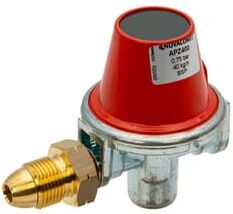
Clesse APZ400 1st Stage 40kg/hr Propane High Pressure RegulatorThe Clesse APZ400 1st Stage 40kg/hr Propane High Pressure Regulator is mainly used on Domestic, Commercial, Industrial and Agricultural LPG Installations using Bulk Tanks. It provides the first stage regulation function without OPSO at 0.75bar and is fitted directly onto the Tanks. Design and performance to BS EN 1378534,27 £*Shipping: 5,00 £Secure redirect to the provider
-
How many grams of propane are equivalent to 0.2 moles of propane?
To determine the grams of propane equivalent to 0.2 moles, we need to use the molar mass of propane, which is approximately 44.1 g/mol. By multiplying the number of moles (0.2) by the molar mass (44.1 g/mol), we can calculate that 0.2 moles of propane is equivalent to 8.82 grams of propane. **
-
Have I inhaled propane gas?
I cannot determine whether you have inhaled propane gas as I do not have access to your personal experiences or medical history. If you suspect that you have inhaled propane gas, it is important to seek medical attention immediately. Inhaling propane gas can be harmful and may cause symptoms such as dizziness, nausea, difficulty breathing, and even loss of consciousness. It is important to take any concerns about inhaling propane gas seriously and seek medical help as soon as possible. **
-
How are payroll taxes recorded?
Payroll taxes are recorded as a liability on the company's balance sheet until they are paid. When payroll taxes are withheld from employees' paychecks, they are recorded as a current liability until they are remitted to the appropriate tax authorities. The employer's portion of payroll taxes, such as Social Security and Medicare taxes, are also recorded as a current liability until they are paid. Once the payroll taxes are paid, the liability is reduced and the corresponding expense is recognized on the income statement. **
-
Who takes back propane gas bottles?
Propane gas bottles are typically taken back by the company or retailer from whom they were purchased. Many propane gas suppliers have programs in place for customers to return empty bottles in exchange for a refill or credit towards a new bottle. It is important to check with the specific company or retailer for their policies on returning propane gas bottles. **
* All prices are inclusive of VAT and, if applicable, plus shipping costs. The offer information is based on the details provided by the respective shop and is updated through automated processes. Real-time updates do not occur, so deviations can occur in individual cases. ** Note: Parts of this content were created by AI.