Buy centurionpayroll.eu ?
We are moving the project
centurionpayroll.eu .
Are you interested in purchasing the domain
centurionpayroll.eu ?
domain@kv-gmbh.de · 0541-91531010
Buy centurionpayroll.eu ?
How are network cables and power cables crossed?
Network cables and power cables are crossed by ensuring they run parallel to each other for as short a distance as possible. If they need to cross paths, they should do so at a 90-degree angle to minimize interference. It is important to keep network cables away from power cables to prevent electromagnetic interference that can disrupt network signals. Proper cable management and organization can help maintain a clean and efficient setup. **
Do professionals patch network cables?
Yes, professionals do patch network cables as part of their job responsibilities. Patching network cables involves connecting different devices to a network using patch cables. This process ensures that data can be transmitted efficiently and securely between devices. Professionals are trained to properly patch network cables to maintain network performance and connectivity. **


Similar search terms for Cables-Direct-Cat5e-Network
Top-Angebote
Products related to Cables-Direct-Cat5e-Network:
-
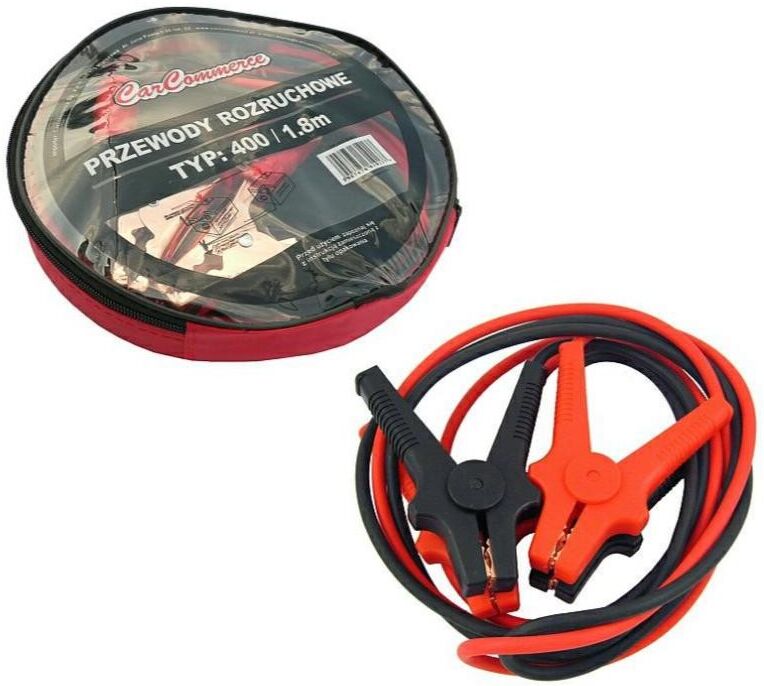
CARCOMMERCE 61012 Jumper cablesCurrent carrying capacity [A]: 200; Cable Colour: red/black; Current Strength to [A]: 200; Vehicle type: Passenger cars; Material: Copper; Length [m]: 1.8; Supplementary Article / Supplementary Info Info 2: with overvoltage protection; suited for engine type: Petrol Engine7,59 £*Shipping: 8,45 £Secure redirect to the provider
-
CARPOINT 0177925 Jumper cablesVoltage [V]: 12, 24; Cable Length [m]: 2.5; Cable Cross Section [mm²]: 25; Cable Colour: red/black; Supplementary Article / Supplementary Info: with steel plate pliers; Supplementary Article / Supplementary Info Info 2: with storage bag, with overvoltage protection; Insulated: +; Universal: Yes; suited for engine type: Diesel, Petrol Engine24,49 £*Shipping: 8,45 £Secure redirect to the provider



-
What is the difference between a Cat5/Cat5e and a Cat6a network outlet?
The main difference between a Cat5/Cat5e and a Cat6a network outlet is the level of performance and speed they can support. Cat6a outlets are designed to handle higher data transfer rates and frequencies compared to Cat5/Cat5e outlets, making them more suitable for high-speed applications like Gigabit Ethernet and 10-Gigabit Ethernet. Additionally, Cat6a outlets have better crosstalk and interference protection due to their improved shielding, resulting in a more reliable and stable network connection. **
-
How do you lay network cables?
When laying network cables, it is important to plan the layout and route of the cables beforehand. Start by measuring the distance between devices and determining the best path for the cables to minimize interference and damage. Use cable clips or cable ties to secure the cables along walls or ceilings, and avoid running them parallel to electrical wires to prevent interference. Finally, label each cable at both ends to easily identify and troubleshoot any issues in the future. **
-
Is there smog in network cables?
No, there is no smog in network cables. Smog is a type of air pollution that is caused by a mixture of smoke and fog. Network cables are used to transmit data electronically and do not produce any type of pollution. Smog is a concern for outdoor air quality in urban areas, but it is not a factor in the functioning of network cables. **
-
How are network cables and power cables installed in a conduit?
Network cables and power cables are installed in a conduit by first measuring and cutting the conduit to the appropriate length. Then, the cables are carefully inserted into the conduit, making sure to leave enough slack at each end for termination. Cable pulling lubricant may be used to help the cables slide through the conduit more easily. Once the cables are in place, the conduit is secured and the cables are terminated at each end. It's important to follow local building codes and regulations when installing cables in a conduit to ensure safety and compliance. **


What is the quality of network cables?
The quality of network cables can vary depending on factors such as the materials used, construction, and manufacturing process. High-quality network cables are typically made with high-grade materials like copper or fiber optic, have proper shielding to reduce interference, and are constructed to meet industry standards for performance and durability. These cables are designed to provide reliable and fast data transmission, with minimal signal loss or degradation. It is important to invest in quality network cables to ensure a stable and efficient network connection. **
Are network cables longer than 100m possible?
Yes, network cables longer than 100m are possible. However, there are limitations to the length of network cables due to signal degradation over long distances. To overcome this limitation, signal boosters or repeaters can be used to extend the reach of network cables beyond 100m. It is important to use high-quality cables and proper installation techniques to ensure reliable network connectivity over longer distances. **
Top-Angebote
Products related to Cables-Direct-Cat5e-Network:
-
Multicon Wholesale Hub HDMI Extender To RJ45 Adapter Pair For Cat5e Cat Ethernet HDMI Extender To RJ45 Adapter Pair For Cat5e Cat EthernetStop struggling with short, bulky cables and enjoy a cleaner way tade for users who want a simple, affordable way to send video over standard network cable in home, office, classroom, or display setups. Designed as an HDMI to RJ45 adapter set, it...39,97 $*Shipping: 0,00 $Secure redirect to the provider
-
AMiO 01340 Jumper cablesCurrent Strength to [A]: 600; Colour: red, black; Packaging: Plastic case; Vehicle type: Passenger cars; Material: Copper; Length [m]: 6; Cable Cross Section [mm²]: 6; suited for engine type: Diesel, Petrol Engine; Supplementary Article / Supplementary Info Info 2: with overvoltage protection15,99 £*Shipping: 8,45 £Secure redirect to the provider
-
CARCOMMERCE 61012 Jumper cablesCurrent carrying capacity [A]: 200; Cable Colour: red/black; Current Strength to [A]: 200; Vehicle type: Passenger cars; Material: Copper; Length [m]: 1.8; Supplementary Article / Supplementary Info Info 2: with overvoltage protection; suited for engine type: Petrol Engine7,59 £*Shipping: 8,45 £Secure redirect to the provider
-
How are network cables and power cables crossed?
Network cables and power cables are crossed by ensuring they run parallel to each other for as short a distance as possible. If they need to cross paths, they should do so at a 90-degree angle to minimize interference. It is important to keep network cables away from power cables to prevent electromagnetic interference that can disrupt network signals. Proper cable management and organization can help maintain a clean and efficient setup. **
-
Do professionals patch network cables?
Yes, professionals do patch network cables as part of their job responsibilities. Patching network cables involves connecting different devices to a network using patch cables. This process ensures that data can be transmitted efficiently and securely between devices. Professionals are trained to properly patch network cables to maintain network performance and connectivity. **
-
What is the difference between a Cat5/Cat5e and a Cat6a network outlet?
The main difference between a Cat5/Cat5e and a Cat6a network outlet is the level of performance and speed they can support. Cat6a outlets are designed to handle higher data transfer rates and frequencies compared to Cat5/Cat5e outlets, making them more suitable for high-speed applications like Gigabit Ethernet and 10-Gigabit Ethernet. Additionally, Cat6a outlets have better crosstalk and interference protection due to their improved shielding, resulting in a more reliable and stable network connection. **
-
How do you lay network cables?
When laying network cables, it is important to plan the layout and route of the cables beforehand. Start by measuring the distance between devices and determining the best path for the cables to minimize interference and damage. Use cable clips or cable ties to secure the cables along walls or ceilings, and avoid running them parallel to electrical wires to prevent interference. Finally, label each cable at both ends to easily identify and troubleshoot any issues in the future. **
Similar search terms for Cables-Direct-Cat5e-Network
-
CARPOINT 0177925 Jumper cablesVoltage [V]: 12, 24; Cable Length [m]: 2.5; Cable Cross Section [mm²]: 25; Cable Colour: red/black; Supplementary Article / Supplementary Info: with steel plate pliers; Supplementary Article / Supplementary Info Info 2: with storage bag, with overvoltage protection; Insulated: +; Universal: Yes; suited for engine type: Diesel, Petrol Engine24,49 £*Shipping: 8,45 £Secure redirect to the provider
-
CARCOMMERCE 42435 Jumper cablesCable Colour: red/black; Current carrying capacity [A]: 600; Current Strength to [A]: 600; Vehicle type: Passenger cars; Material: Copper; Length [m]: 4.5; suited for engine type: Diesel, Petrol Engine; Supplementary Article / Supplementary Info Info 2: with overvoltage protection23,99 £*Shipping: 8,45 £Secure redirect to the provider
-
XL 551030 Jumper cablesLength [m]: 2.5; Material: Copper; for petrol engines to capacity [ccm]: 1500; Insulated: ; Supplementary Article / Supplementary Info Info 2: with storage bag, with overvoltage protection; Vehicle type: Passenger cars; Cable Cross Section [mm²]: 10; suited for engine type: Petrol Engine33,49 £*Shipping: 8,45 £Secure redirect to the provider
-
Is there smog in network cables?
No, there is no smog in network cables. Smog is a type of air pollution that is caused by a mixture of smoke and fog. Network cables are used to transmit data electronically and do not produce any type of pollution. Smog is a concern for outdoor air quality in urban areas, but it is not a factor in the functioning of network cables. **
-
How are network cables and power cables installed in a conduit?
Network cables and power cables are installed in a conduit by first measuring and cutting the conduit to the appropriate length. Then, the cables are carefully inserted into the conduit, making sure to leave enough slack at each end for termination. Cable pulling lubricant may be used to help the cables slide through the conduit more easily. Once the cables are in place, the conduit is secured and the cables are terminated at each end. It's important to follow local building codes and regulations when installing cables in a conduit to ensure safety and compliance. **
-
What is the quality of network cables?
The quality of network cables can vary depending on factors such as the materials used, construction, and manufacturing process. High-quality network cables are typically made with high-grade materials like copper or fiber optic, have proper shielding to reduce interference, and are constructed to meet industry standards for performance and durability. These cables are designed to provide reliable and fast data transmission, with minimal signal loss or degradation. It is important to invest in quality network cables to ensure a stable and efficient network connection. **
-
Are network cables longer than 100m possible?
Yes, network cables longer than 100m are possible. However, there are limitations to the length of network cables due to signal degradation over long distances. To overcome this limitation, signal boosters or repeaters can be used to extend the reach of network cables beyond 100m. It is important to use high-quality cables and proper installation techniques to ensure reliable network connectivity over longer distances. **
* All prices are inclusive of VAT and, if applicable, plus shipping costs. The offer information is based on the details provided by the respective shop and is updated through automated processes. Real-time updates do not occur, so deviations can occur in individual cases. ** Note: Parts of this content were created by AI.